Small changes that make outdoor spaces feel bigger, brighter and better
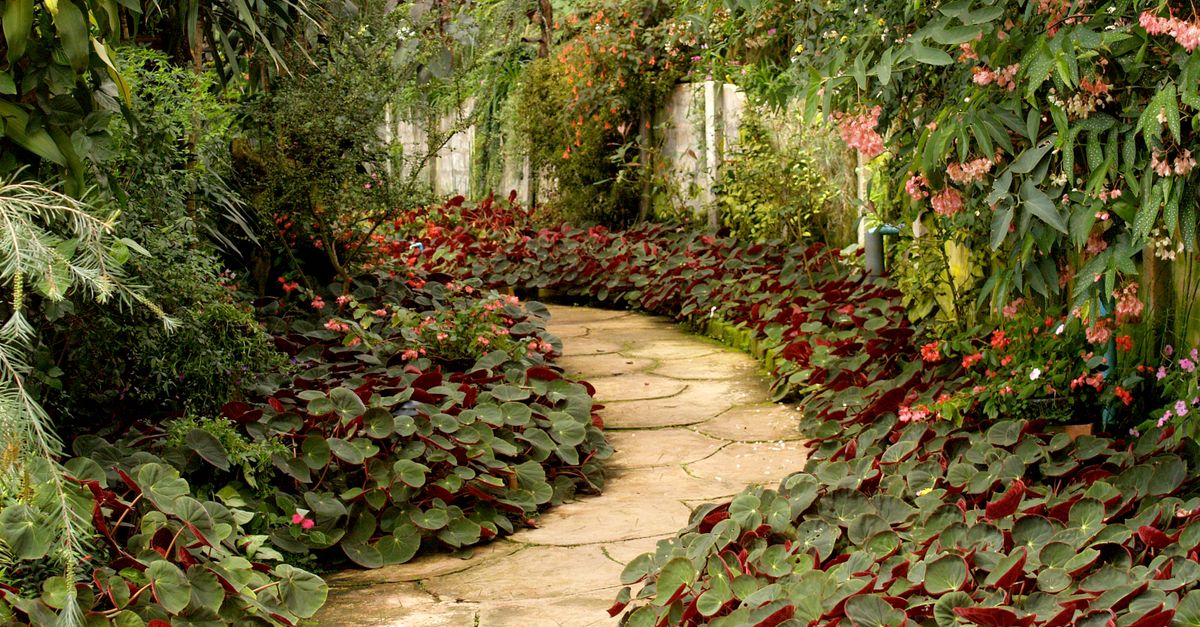
Clear the corridor. Most small gardens have a route pinched by a shrub or a pot that could move a metre. Widening that line, even slightly, changes how the whole space feels before anything is planted.
Lift the canopy. Skirting a tree or a large shrub to head height opens the view underneath and adds a layer of interest at eye level without taking floor space. It is one of the few jobs that makes a garden feel bigger and fuller at the same time.
Perceived space is about how far the eye can travel, not how many square metres you own.
Match your levels. A step that is ten centimetres out looks accidental and makes a garden feel unresolved. Correcting levels is unglamorous work, but it is the difference between a space that reads as designed and one that does not.
Use one paving material. Two or three materials in a small garden chop it into fragments. A single surface, laid well, with generous joints, expands the space visually and is usually cheaper.
Repeat plants. Three of the same shrub placed to lead the eye will make a garden feel longer than ten different ones. Repetition also simplifies maintenance, which keeps the space looking good when you are busy.
Light it properly. Two warm uplights on a boundary and a low path light cost less than a new border and extend the usable hours of a garden by several months of the year.
Want this done properly instead?
Our crew can put most of what is written here into practice on your own lawn or border.