Transforming outdoor spaces through thoughtful landscaping


When we are asked to transform a space, the first visit is almost entirely quiet. We look at where the ground is wet, where paint is peeling, which plants have survived neglect and which have run riot. That survey usually explains why the garden stopped working, and it is far more useful than a mood board.
The transformation itself is rarely one gesture. On a recent courtyard, the change came from removing a single overgrown laurel that blocked the only patch of evening sun. The planting that followed was modest, but the garden went from a place people walked past to a place they sat in.
A garden does not need to be rebuilt to be transformed. It needs to be read properly first.
Structure comes before colour. Edges, levels and boundaries do the heavy lifting, and they are also the cheapest elements to get right. Re-cutting a border edge, levelling a step or straightening a fence line costs far less than a new planting scheme and changes the perception of the whole space.
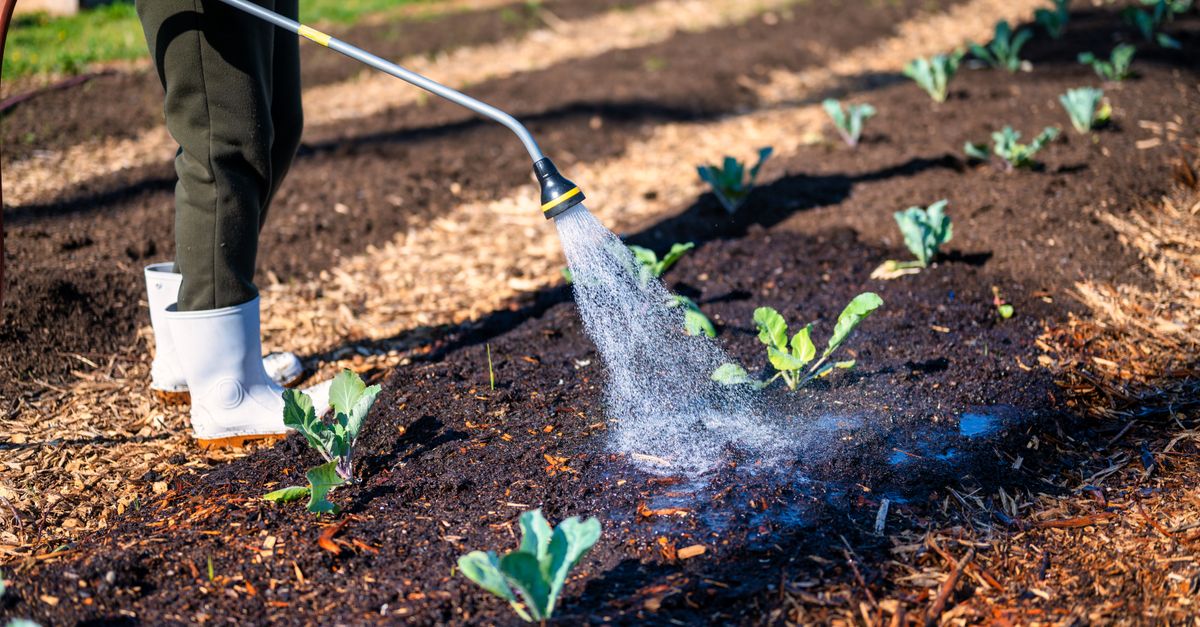
Next, repair the ground. Compacted soil and poor drainage cause more plant losses than bad plant choice. Aerating, adding organic matter and correcting a fall away from the house will not photograph well, but every plant you put in afterwards will do better for years.
Only then do we plant, and usually with fewer species than clients expect. Repeating three or four plants in generous drifts reads as calm and deliberate, while a collection of one-of-each reads as noise. Repetition is how a small budget imitates a large one.
The finish is where a project becomes a habit. A tidy edge, clean paving, working lighting and an obvious place for the bins all reduce the small frictions that make people stop using a garden. Transformation, in the end, is mostly the removal of friction.
Want this done properly instead?
Our crew can put most of what is written here into practice on your own lawn or border.