When your lawn needs more than regular mowing care

The clearest sign is a pattern. Thin patches that come back in the same place each spring, or a mowing stripe that stays yellow, point to a structural problem rather than a mowing problem. Grass is remarkably good at recovering from cutting; it is much less good at recovering from airless, waterlogged soil.
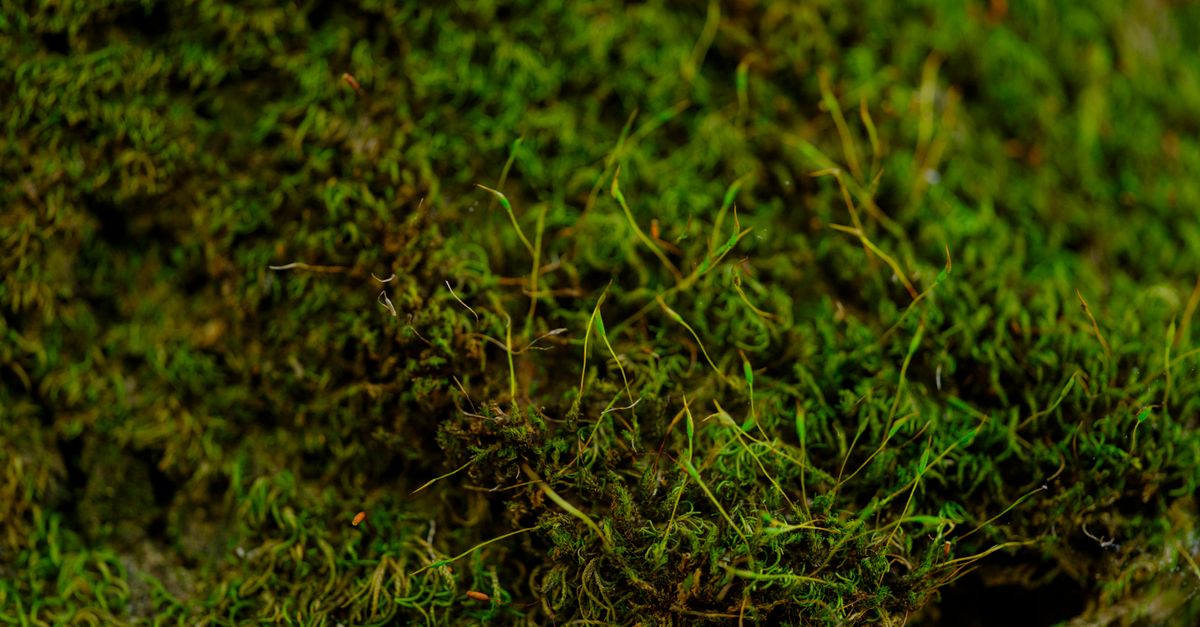
Moss tells you water is sitting rather than draining. It is a symptom, not a cause, and moss killers simply reset the clock. Scarify to remove the moss, aerate to open the soil, and improve the drainage or the shade that created the conditions, and the moss stops returning.
If the same patch fails every year, mowing is not the answer. Something under the surface has not been dealt with.
Yellowing in the wrong season usually means feeding at the wrong time or the wrong rate. A lawn that looks hungry in November needs root support, not nitrogen. A lawn that looks hungry in a drought needs water and patience, not product.
Compaction is the least visible and most common fault. If a screwdriver is hard to push into the soil, roots are struggling to as well. Hollow-tine aeration in autumn, followed by a sandy top dressing, is the standard remedy and it works.
Finally, consider whether the lawn you want is realistic for the site. Deep shade under trees will never support a fine ornamental sward, but it will support a shade-tolerant fescue mix or a planted bed. Changing the expectation is often the cheapest fix of all, and it lasts.
The practical rule we use: if mowing, feeding and watering in season have not solved the issue within a year, stop spending on products and spend once on the groundworks. Aeration, drainage and the right species for the light will resolve more problems than any shelf in a garden centre.
Want this done properly instead?
Our crew can put most of what is written here into practice on your own lawn or border.